CHEMLIGHT
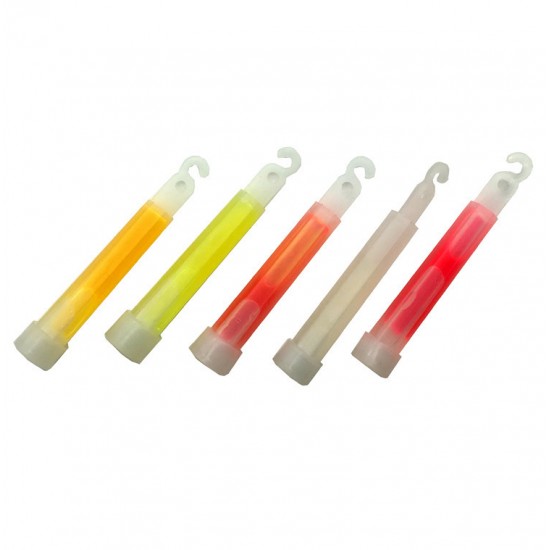
New


text
CHEMLIGHT
99.99 TL
Ex Tax: 83.33 TL
- Stock: In Stock
- Model: SM/ASCL1980

Available Options
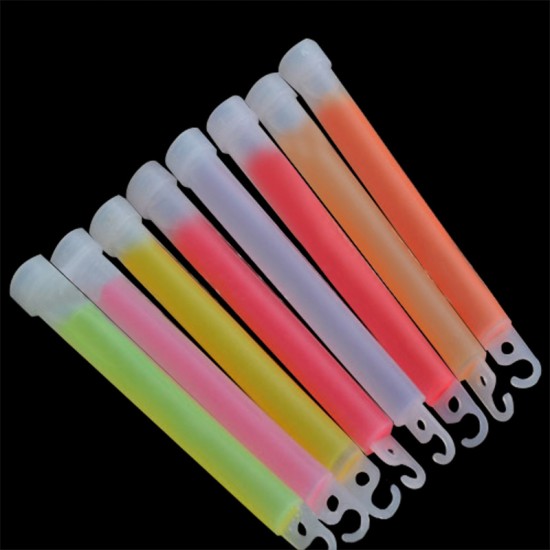
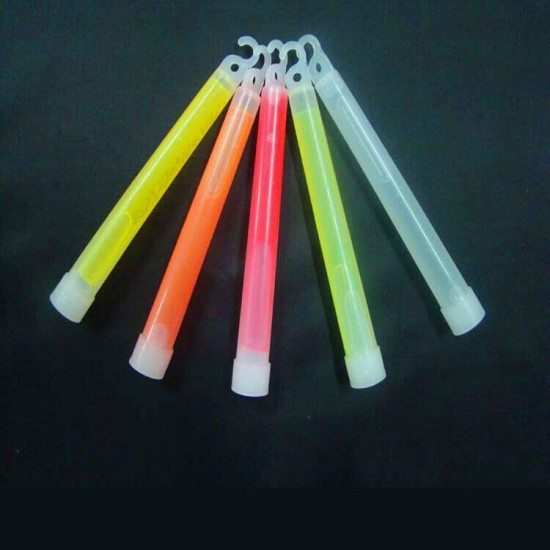
ChemLight (often called a glow stick or light stick) is a portable chemical light source that works without batteries, electricity, flame, or heat. It produces light through a chemical reaction called chemiluminescence.
How a ChemLight Works
Inside the plastic tube are:
- A fluorescent dye solution
- A small fragile glass vial containing hydrogen peroxide
When you bend the stick:
- The inner glass vial breaks
- The chemicals mix
- A chemical reaction releases energy
- The dye converts that energy into visible light
This creates a “cold light” because almost no heat is produced.
Main Features
- Waterproof
- Lightweight
- Non-sparking
- Works underwater
- Safe in flammable environments
- No batteries required
Because of these features, ChemLights are widely used in:
- Military operations
- Emergency kits
- Camping and hiking
- Diving
- Traffic and rescue signaling
- Concerts and events
Common Colors and Meanings
Different dyes create different colors:
- Green → brightest and longest-lasting
- Yellow → high visibility
- Blue → softer light
- Red → preserves night vision
- Infrared (military type) → visible only with night-vision devices
Duration
Typical glow times:
- 30 minutes tactical lights
- 4–12 hour standard lights
- 24-hour survival lights
Temperature affects performance:
- Warm conditions → brighter but shorter life
- Cold conditions → dimmer but longer-lasting
Military Use
Military ChemLights are often used for:
- Marking landing zones
- Identifying friendly forces
- Navigation at night
- Emergency signaling
- Room clearing and tactical operations
Infrared ChemLights are especially important because they can be seen with night vision goggles but remain invisible to the naked eye.
Safety
ChemLights are generally safe, but:
- Do not cut them open
- Avoid contact with eyes and mouth
- Wash skin if liquid leaks out
- Keep away from small children
The internal chemicals can cause irritation.